The Rajrishi Village Project: A Holistic Rural Transformation Initiative

India’s rural villages face significant challenges, including inadequate infrastructures, limited economic opportunities and an insufficient focus on inner empowerment. The current top-down models often fail to address unique community needs, leading to unsustainable structures. A pressing need for a scalable and self-governing model, rooted in a bottom-up and an inside-out approach, was identified, out of which the Rajrishi Village Project was born.
The Rajrishi Village Project is an initiative of the Agriculture and Rural Development Wing of the Rajyoga Education and Research Foundation of the Brahma Kumaris. It envisions rural communities that are: socially harmonious; economically resilient; environmentally sustainable; spiritually empowered and governed with transparency and accountability.
The Brahma Kumaris is uniquely positioned to pioneer this initiative, due to its extensive country wide network of centres and links with like-minded groups. Its local centers are able to act as hubs for community engagement and for fostering partnerships with governments, NGOs, and businesses. This grassroots presence enables local representatives to identify unique local needs and co-create impactful solutions with stakeholders. This ensures solutions that are locally relevant, culturally sensitive and effectively executed; translating global strategies into tangible community benefits.
The initiative integrates the 3P Framework (People, Prosperity and Planet) with India’s 9 localised UN Sustainable Development Goals: Poverty-Free and Enhanced Livelihoods; Healthy Villages; Child-Friendly Villages; Water-Sufficient Villages; Clean and Green Villages; Self-Sufficient Infrastructures; Socially Just and Secure Villages; Good Governance; and Women-Friendly Villages.
Jahota, Jaipur, Rajasthan was chosen as the flagship Rajrishi Village Project. It now stands as a model Rajrishi Village, showcasing how spiritual values combined with governance reform can transform a rural ecosystem into one that is self-reliant, capable, peaceful, and value-driven. It particularly focused on strengthening village leadership; community-led development; restoration of ecological balance; empowering women, youth, and children; and the integration of values, meditation, and mindful living in governance. To see a glimpse of the transformation watch here.
The key initiatives focused on empowering women, child-friendly spaces, cleaning and greening the village, infrastructure and governance.
- Empowering Women: female village leadership was established; 16 self-help groups were created and skills training, such as, tailoring and natural dyeing, were offered.
- Children: eco and youth clubs were formed, digital learning and activity-based education implemented, improved school sanitation and safe drinking water supply.
- Clean and green Initiatives: new waste segregation systems; water harvesting and groundwater recharging; community cleanliness drives; biodiversity enhancement (50,000 trees were planted); soil regeneration, yogic farming and sustainable agriculture practices.
- Infrastructure: construction and maintenance of schools, health centres, roads, water conservation structures, decentralised waste management systems.
- Governance: transparent systems, community-driven dispute resolution and an emphasis on social harmony.
The model has already been implemented by other villages, including Oriya, Mount Abu, Rajasthan and Bharapar, Kutch, Gujarat. The Uttrakhand State government has sent five groups of 280 village leaders for training in the model, so they can begin implementing it in their villages, with the support of local Brahma Kumaris centres.
You can witness the transformation of Oriya Village in these two videos: video 1 and video 2.
This year 90 villages are being selected for Rajrishi village development in partnership with the United Nations Environment Programme and under the expanded Brahma Kumaris Prakruti Parivartan Project. A structured 12-module curriculum has been developed and is being provided by the central project team of the Brahma Kumaris, Mt. Abu, Rajasthan.
Related News
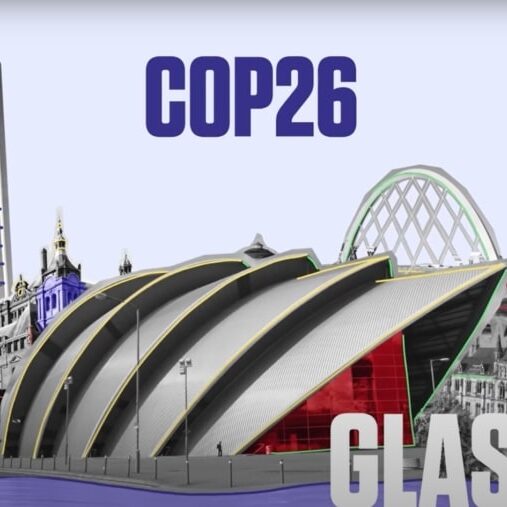
Report on the UN Climate Change Conference COP26, 26 – 32 October, 1 November 2021
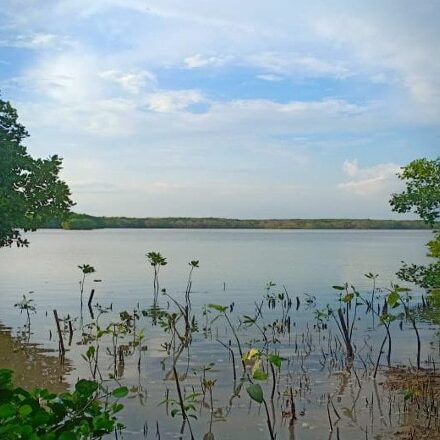
Brahma Kumaris celebrating World Environment Day, India 2021